The TRLC Tax Intelligence Library
If you’re new to TRLC, this is where to start.
These guides show why many small business owners overpay, miss deductions, and struggle at tax time even when their books look done.
They also show what changes when your records are structured with tax intent from the beginning.
Start with any guide below, or explore all three to see how the full system works.
Explore all three or start with the one that matches your situation
Why Small Businesses
Struggle at Tax Time
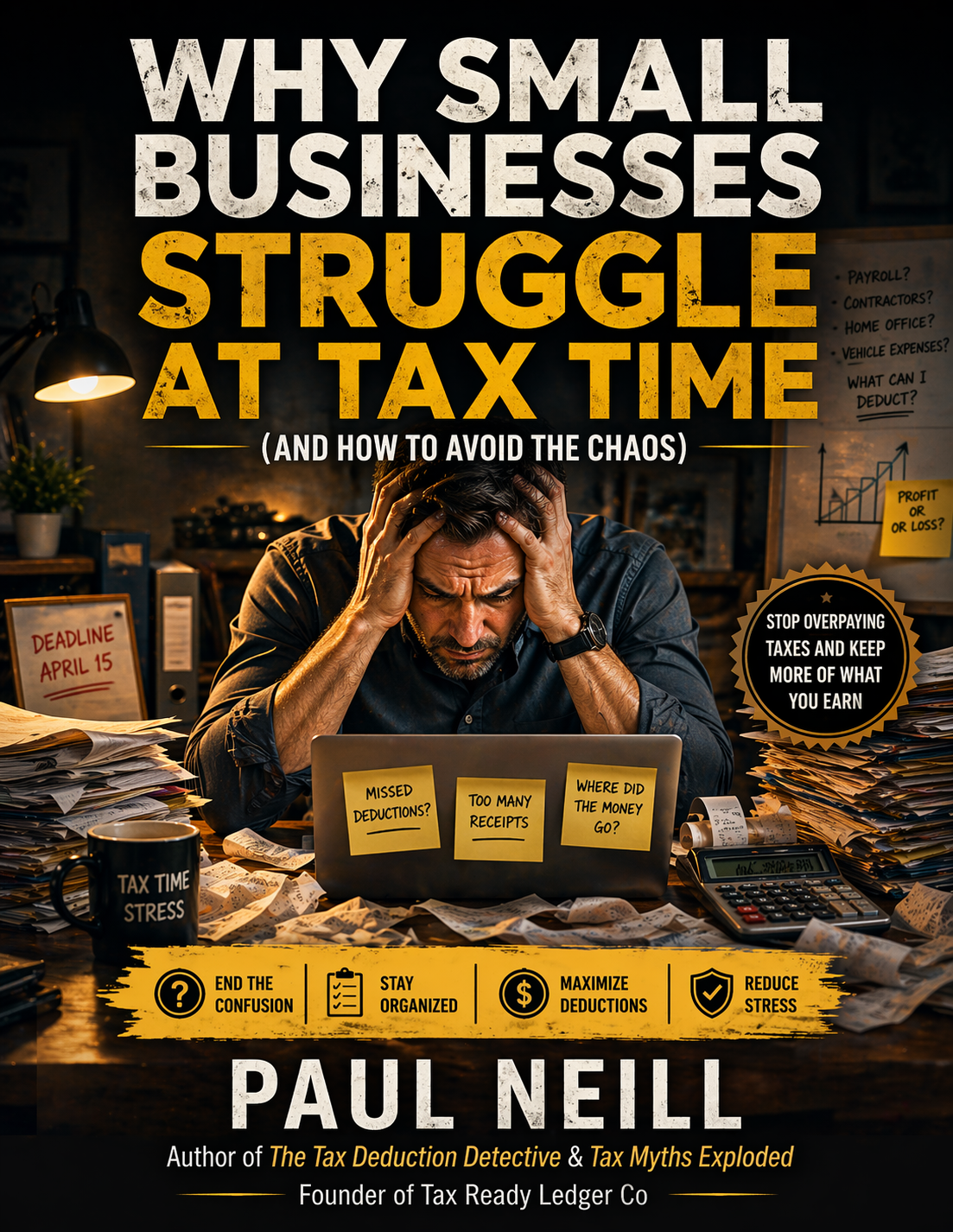
Why things feel chaotic at tax time and how to fix it before year end.
Tax Myths
Exploded
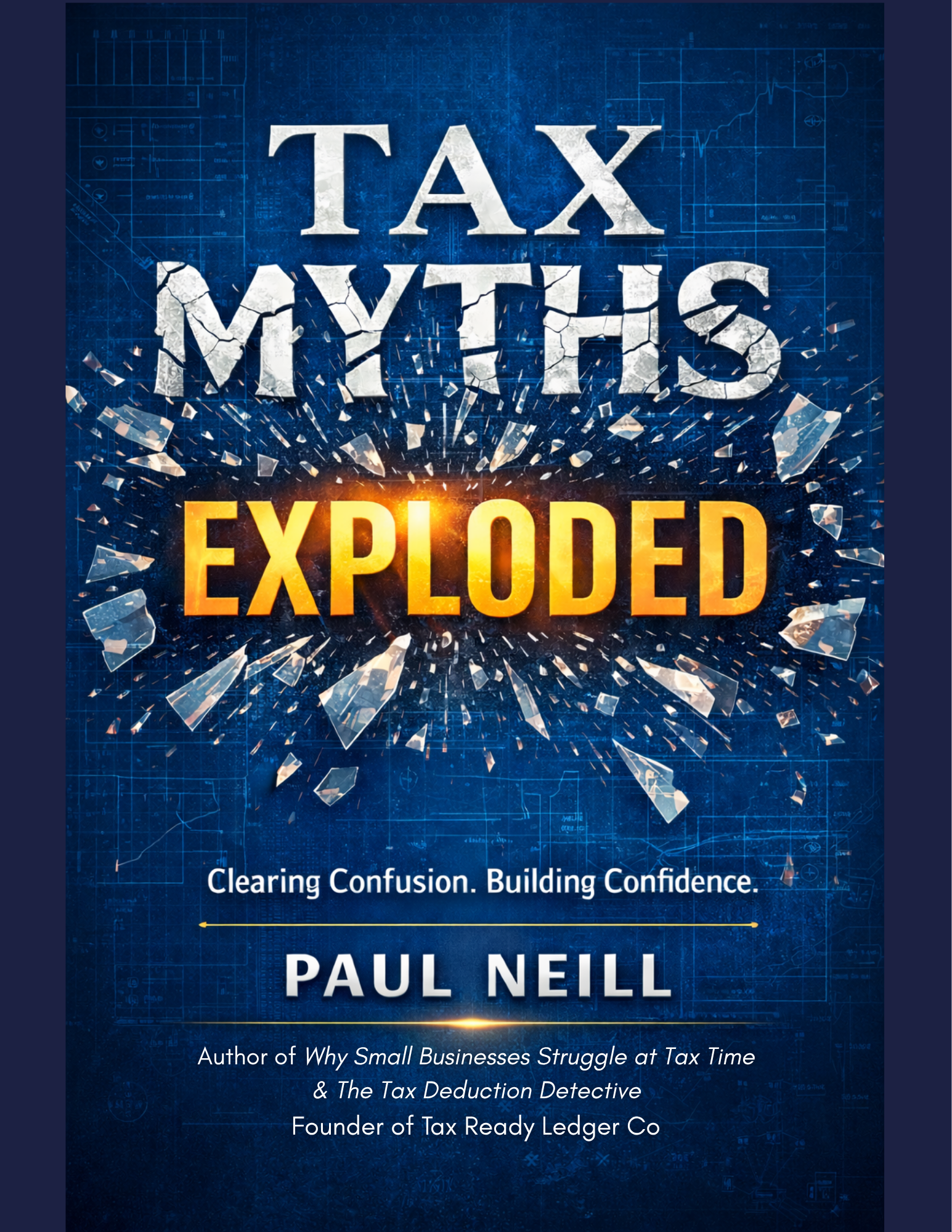
The common beliefs that quietly cause business owners to overpay.
The Tax Deduction
Detective
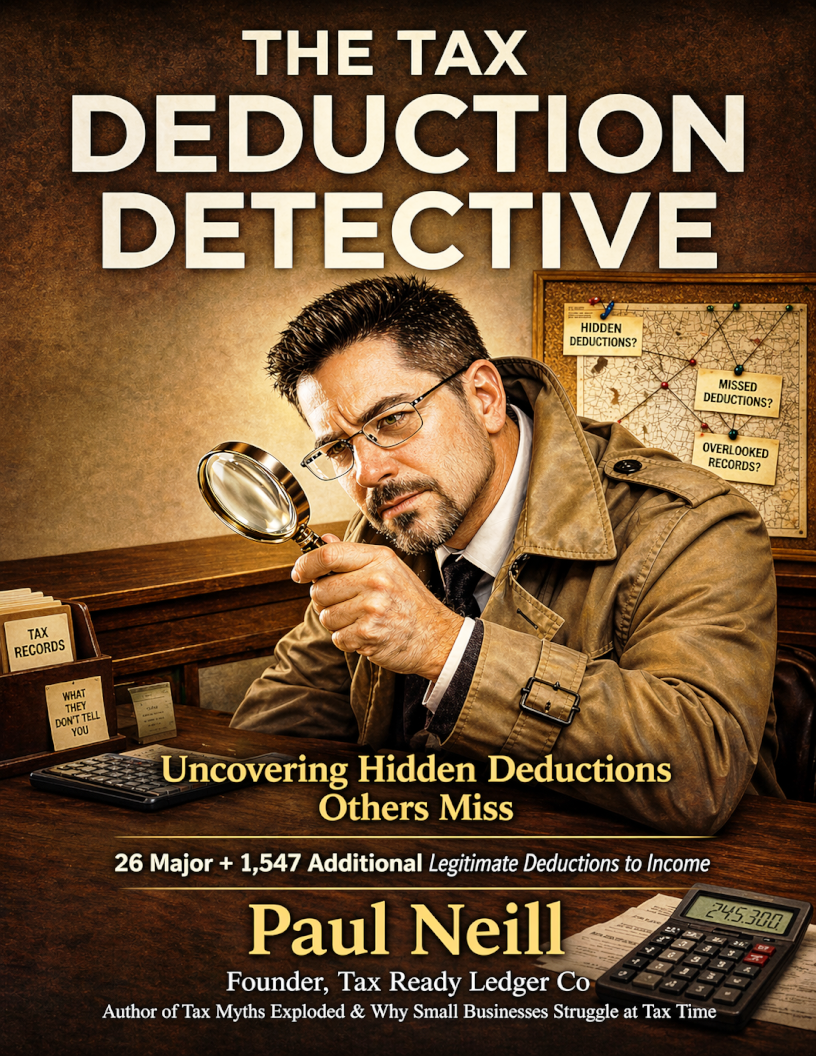
A deep dive into legitimate deductions most businesses never fully use.
Find the Tax Question That Sounds Like You
Most business owners do not arrive at tax time with one neat question.
They arrive with a concern.
Am I overpaying?
Are my books really right?
Did I miss deductions?
Why does this feel stressful every year?
This Q&A section is built around those real-world concerns. Start with the question that sounds closest to your situation, read the short answer, then follow the link to the most relevant TRLC Tax Intelligence Library chapter for a deeper explanation.
Help you see what may be costing you money, creating confusion, or weakening your tax position before it becomes a bigger problem.
Start With What You’re Worried About Most
Choose the concern that sounds closest to your situation. Each section gives you a short answer first, then points you to the best TRLC Tax Intelligence Library chapter for a deeper explanation.
I feel like I’m overpaying taxes.
Start here if you wonder whether money is quietly being left on the table.
My books are done, but I don’t trust them.
Start here if your records look complete, but still feel uncertain.
I know I’m missing deductions.
Start here if you suspect legitimate expenses are not being fully captured.
Tax time always feels rushed and stressful.
Start here if every year feels like another last-minute scramble.
I don’t understand what my accountant is doing.
Start here if you want more clarity before handing everything over.
Everything is recorded, but nothing feels optimized.
Start here if your books are organized, but not working hard enough for you.
I feel like I’m overpaying taxes.
If you keep working hard, bringing in revenue, and still feel like too much money disappears at tax time, the problem may not be your income. It may be how your records are structured, classified, and supported throughout the year.
Why do I feel like I’m paying too much in taxes?
Most business owners do not overpay because deductions are unavailable. They overpay because their records are not structured clearly enough to capture and support what already exists.
Can better books really lower my tax bill?
Better books do not create artificial deductions. They help reveal, classify, and support legitimate deductions that may already be present in your business but are easy to miss when records are vague or inconsistent.
What causes legitimate deductions to get missed?
Deductions are often missed when expenses are placed in vague categories, mixed with personal spending, left unsupported, or never recognized as tax-relevant in the first place.
My books are done, but I don’t trust them.
Finished books are not always tax-ready books. If your reports look complete but still leave you uncertain, the issue may be unclear categories, missing context, inconsistent handling, or records that look clean without truly supporting better tax outcomes.
Why do my books look complete but still feel wrong?
Books can look organized on the surface while still missing the structure needed for tax clarity. The numbers may be recorded, but the meaning behind them may not be clear enough to support confident decisions.
Is bookkeeping software enough to make my records reliable?
Software can record transactions, but it does not understand business intent. Tax-ready records still require judgment, context, consistent categories, and clear support for why each transaction belongs where it does.
What makes books trustworthy at tax time?
Trustworthy books tell a clear financial story. Income, expenses, categories, receipts, notes, and business purpose all work together so the numbers are not just recorded, but understandable and defensible.
I know I’m missing deductions.
Many missed deductions are not missing because they are unusual. They are missed because they were never clearly recognized, categorized, documented, or connected to the business activity they supported.
Why do business owners miss legitimate deductions?
Legitimate deductions often get missed when expenses are scattered across accounts, buried in vague categories, mixed with personal spending, or treated casually instead of being tracked as part of a clear tax-ready system.
How do I know whether an expense is really deductible?
A deductible expense must connect clearly to the business. The stronger the business purpose, classification, and support behind the expense, the stronger the deduction becomes.
What deductions are easiest to overlook?
The easiest deductions to overlook are often ordinary business costs: software, merchant fees, phone use, professional fees, mileage, home office, supplies, small equipment, and other expenses that quietly support daily operations.
Tax time always feels rushed and stressful.
Tax-time stress usually does not begin at tax time. It builds quietly during the year when transactions are postponed, categories are guessed, receipts are scattered, and key decisions are left until the pressure is already on.
Why does tax time feel stressful every year?
Tax time feels stressful when the year has to be reconstructed after the fact. What should have been handled in small, clear steps throughout the year becomes a rushed attempt to remember, explain, and defend everything at once.
Why does waiting until tax time cost money?
Waiting makes details fade. When the business purpose behind an expense is unclear, deductions become harder to claim confidently, and opportunities that could have been supported may quietly disappear.
How do I make tax time feel more controlled?
Tax time becomes more controlled when records are maintained consistently, questions are resolved while they are still fresh, and your books are structured throughout the year to support accurate, defensible filing.
I don’t really understand what my accountant is doing.
Your accountant may be doing exactly what they were hired to do. But if your records are unclear, incomplete, or poorly structured before they receive them, even a capable professional has fewer options to work with.
Shouldn’t my accountant catch everything?
Your accountant can interpret the records they receive, but they cannot fully rebuild the business story behind every transaction after the fact. Stronger records give them stronger information to work with.
Why do I still feel confused after my return is filed?
Confusion often remains when you only see the final tax result, but not the record structure behind it. Clear books help you understand how income, expenses, categories, and deductions flow into the outcome.
What should I do before handing everything to my accountant?
You should make sure your records are clean, categorized, supported, and understandable before tax preparation begins. The better the records going in, the better the filing conversation can become.
Everything is recorded, but nothing feels optimized.
Recording transactions is only the beginning. Optimization happens when your records are structured, categorized, reviewed, and supported in a way that helps create better tax outcomes instead of simply reporting what already happened.
What does it mean for books to be optimized?
Optimized books do more than show income and expenses. They organize the financial story of the business so legitimate deductions are easier to recognize, support, and use with confidence.
Why isn’t recording everything enough?
A transaction can be recorded and still be poorly classified, weakly supported, or disconnected from its business purpose. Better outcomes depend on meaning, structure, and consistency, not just data entry.
How does better record structure create better outcomes?
Better structure makes your numbers clearer, your deductions stronger, your filing process smoother, and your business easier to understand. That clarity can improve tax outcomes and increase the value of the business itself.